7 Questions Families Ask Before Choosing Cremation Services
When families begin exploring cremation services Cherry Hill, NJ, the first feeling is often uncertainty. Many people are making decisions while carrying grief, stress, and pressure from loved ones at the same time. Questions come quickly, and answers can feel hard to find. That is why clear guidance matters. Families deserve honest information, compassionate support, and the confidence to move forward at their own pace.
Every family approaches end-of-life planning differently. Some want simplicity. Others want meaningful traditions. Many just want reassurance that they are making the right choice for someone they love. These are seven of the most common questions families ask before choosing cremation services, along with the answers that often help bring peace of mind.
How Does the Cremation Process Actually Work?
One of the first questions people ask is also the most basic. Families often want to understand what happens step by step.
The process usually begins with care and identification procedures that remain in place throughout every stage. Documentation is reviewed carefully, and families authorize each decision before anything moves forward. After the cremation takes place, the remains are placed in a temporary container or another selected option chosen by the family.
For many people, understanding the process removes fear. Clear explanations help families feel more comfortable and confident during an emotional time.
Some providers also offer opportunities for witnessing, private moments of reflection, or memorial gatherings before the cremation takes place. Asking these questions early can help families decide what experience feels most meaningful for them.
Midway through planning, many families find comfort in reading about the different types of memorial service options for loved ones available to them through an internal resource page.
Can We Still Have a Service or Gathering?
Many people mistakenly believe cremation limits the ability to honor someone in a personal way. In reality, families often have more flexibility.
A memorial can take place before or after cremation. Some families choose a quiet gathering with close relatives, while others plan larger celebrations filled with stories, music, and shared memories. Religious traditions, military honors, and cultural customs can still be included.
The most meaningful services usually reflect the personality of the person being remembered. A gardener may be honored with flowers and outdoor reflections. A music lover may have favorite songs played throughout the gathering. Families often discover there is room for both simplicity and personalization.
What Should We Look For in a Cremation Provider?
Trust becomes extremely important during difficult moments. Families want to know the people caring for their loved one will handle everything with professionalism and compassion.
A good provider communicates clearly, answers questions patiently, and explains every step without pressure. Transparency matters. Families should feel comfortable asking about timelines, procedures, authorization forms, and available support.
It also helps to read reviews and testimonials from other families. Real experiences often reveal how a provider treats people during emotional situations. Consistency, kindness, and responsiveness are signs families frequently remember long after services are complete.
Another important factor is whether the provider takes time to educate rather than rush decisions. Families deserve space to think carefully about what feels right.
How Can We Personalize the Experience?
No two lives are the same, and many families want the farewell to feel personal rather than generic.
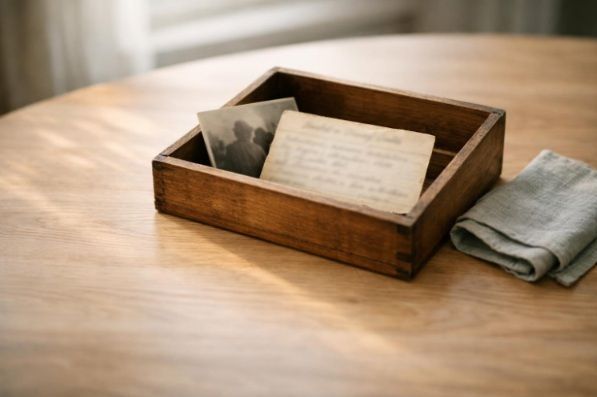
Personal touches can be simple but meaningful. Some families display photographs, handwritten notes, favorite clothing items, or meaningful objects during a gathering. Others create memory tables, tribute videos, or printed keepsakes for guests.
Stories also matter. One family shared memories of weekend fishing trips during their gathering, while another invited guests to write messages in a remembrance book. These moments often become deeply comforting because they focus on connection rather than formality.
Even small details can help people feel closer to the person they are honoring.
What Happens If Family Members Disagree?
This is more common than many people realize. Grief affects everyone differently, and disagreements can happen around timing, traditions, or planning choices.
The most helpful approach is usually open communication. Families often benefit from slowing down conversations and focusing on shared goals rather than individual preferences. Most people ultimately want the same thing, to honor someone they love with dignity and care.
Experienced professionals can also help guide discussions calmly and respectfully. Sometimes having a neutral voice in the room helps families feel heard and supported.
When possible, written wishes from the individual can reduce uncertainty and provide clarity for loved ones making decisions together.
Is Preplanning a Good Idea?
Many families begin asking about preplanning after experiencing a recent loss themselves. They realize how difficult decisions can feel during emotional moments.
Preplanning gives individuals the opportunity to communicate personal preferences ahead of time. It can also reduce stress for relatives who may otherwise feel unsure about what their loved one wanted.
Beyond practical benefits, preplanning often creates emotional relief. Families frequently say it helps them focus more on remembrance and less on logistics during difficult days.
Those exploring options sometimes appreciate reviewing a guide to preplanning cremation arrangements through an internal educational page before making decisions.
How Do We Know We’re Making the Right Choice?
This may be the most emotional question of all.
Families often worry about regret. They wonder if they are honoring someone properly or making decisions too quickly. The truth is there is rarely one perfect path. The right choice is usually the one that reflects the values, wishes, and needs of the person being remembered and the people who loved them.
What families remember most later is not every individual detail. They remember how they were treated. They remember whether they felt supported, informed, and cared for during one of life’s hardest moments.
That human connection matters deeply.
Choosing a provider for cremation services Cherry Hill, NJ is about more than logistics. It is about finding compassionate guidance from people who understand the weight of these decisions. At South Jersey Cremation Company, families can find thoughtful support, clear communication, and caring assistance when they need it most. If you are beginning this journey, exploring compassionate cremation planning resources can be a helpful next step toward clarity and peace of mind.